Engineering

The Engineering Behind Duraxim

Duraxim takes the proven I-beam into the future: same familiar starting point, dramatically smarter geometry for crane applications.

Duraxim beam product view
01
The I-Beam

A century-old classic.

For over 150 years, the standard I-beam has been the backbone of construction and industrial cranes. Its simple, strong shape - two flanges connected by a vertical web - made it cheap to produce, easy to transport, and highly effective.

In crane applications, however, the I-beam has a hidden weakness.
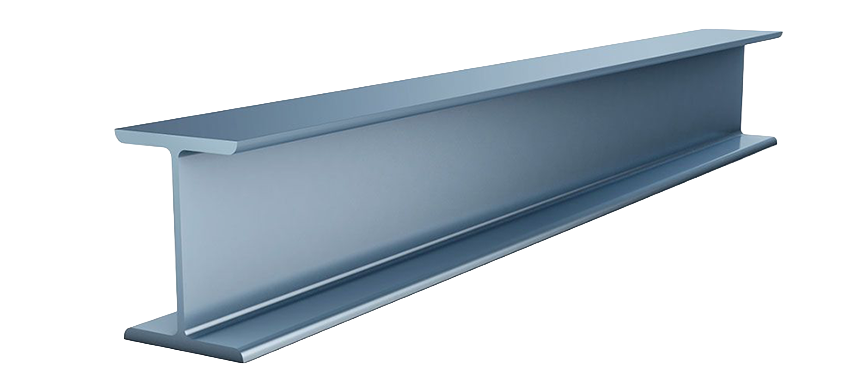
Historical I-beam construction and industrial crane context
02
The limitation

Much of the steel is simply along for the ride.

Because the load moves across the entire span, the bending moment changes constantly. A traditional I-beam has the same cross-section everywhere - meaning large parts of the beam are over-engineered, wasting material.

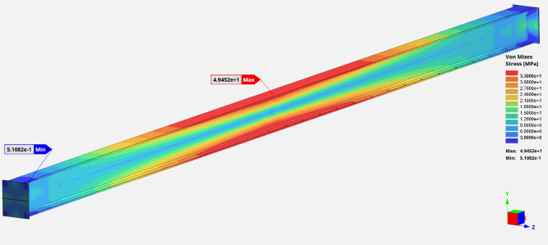
I-beam stress distribution under moving crane load
03
Enter Duraxim

Survival of the fittest.

Duraxim starts with a standard rolled I-beam and evolves it into something far superior - a lighter, stronger, variable-section girder designed specifically for the moving loads of modern cranes.

Loading model...
04
How it works

Cut, rotate, shift, weld - with virtually zero material waste.

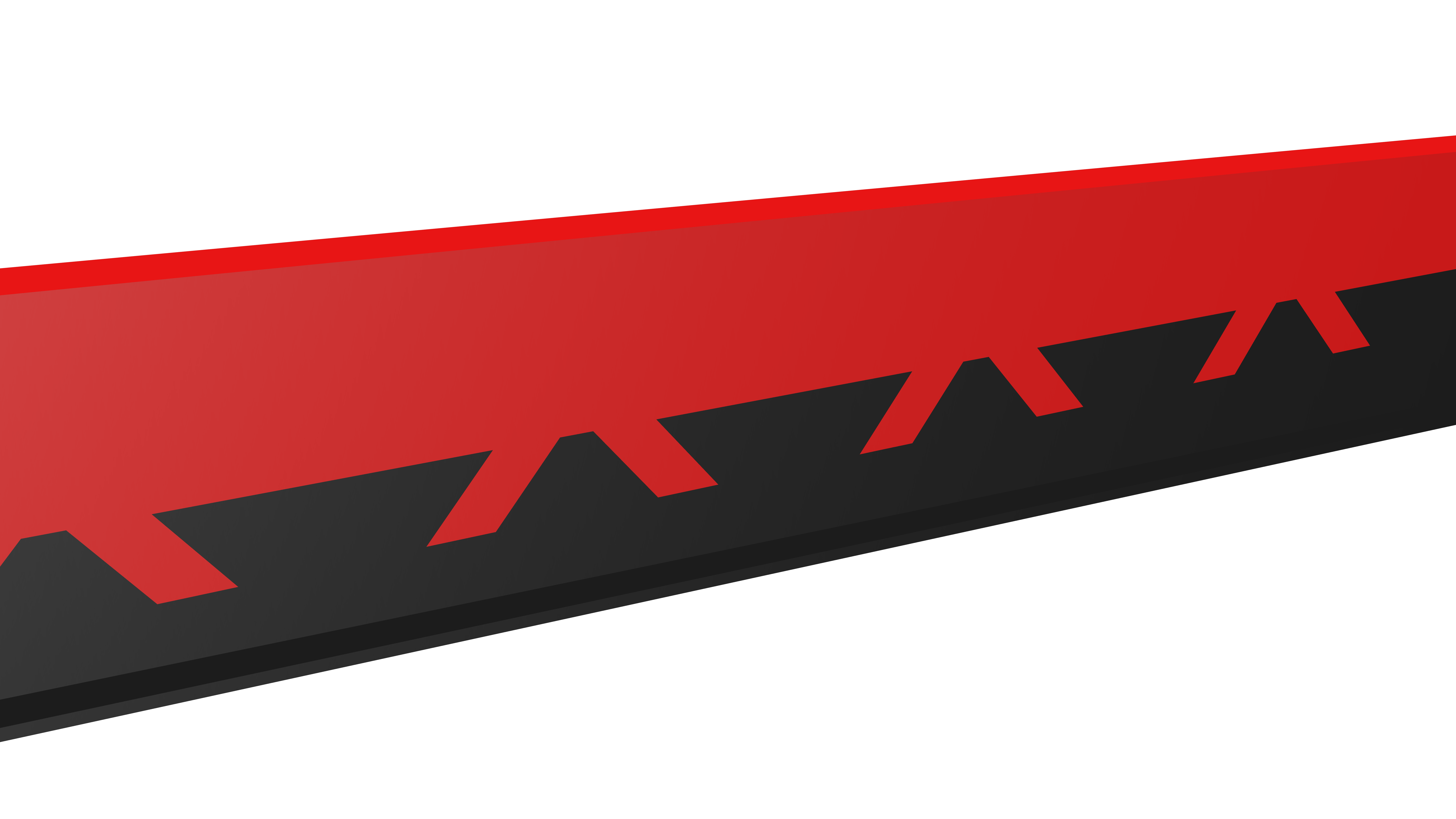
  • We make a precise, mathematically optimized cut pattern along the web.
  • The pieces are rotated 180 degrees and shifted.
  • Then welded back together - with virtually zero material waste.
Duraxim optimized cut pattern in the web
05
New geometry

Standing tall.

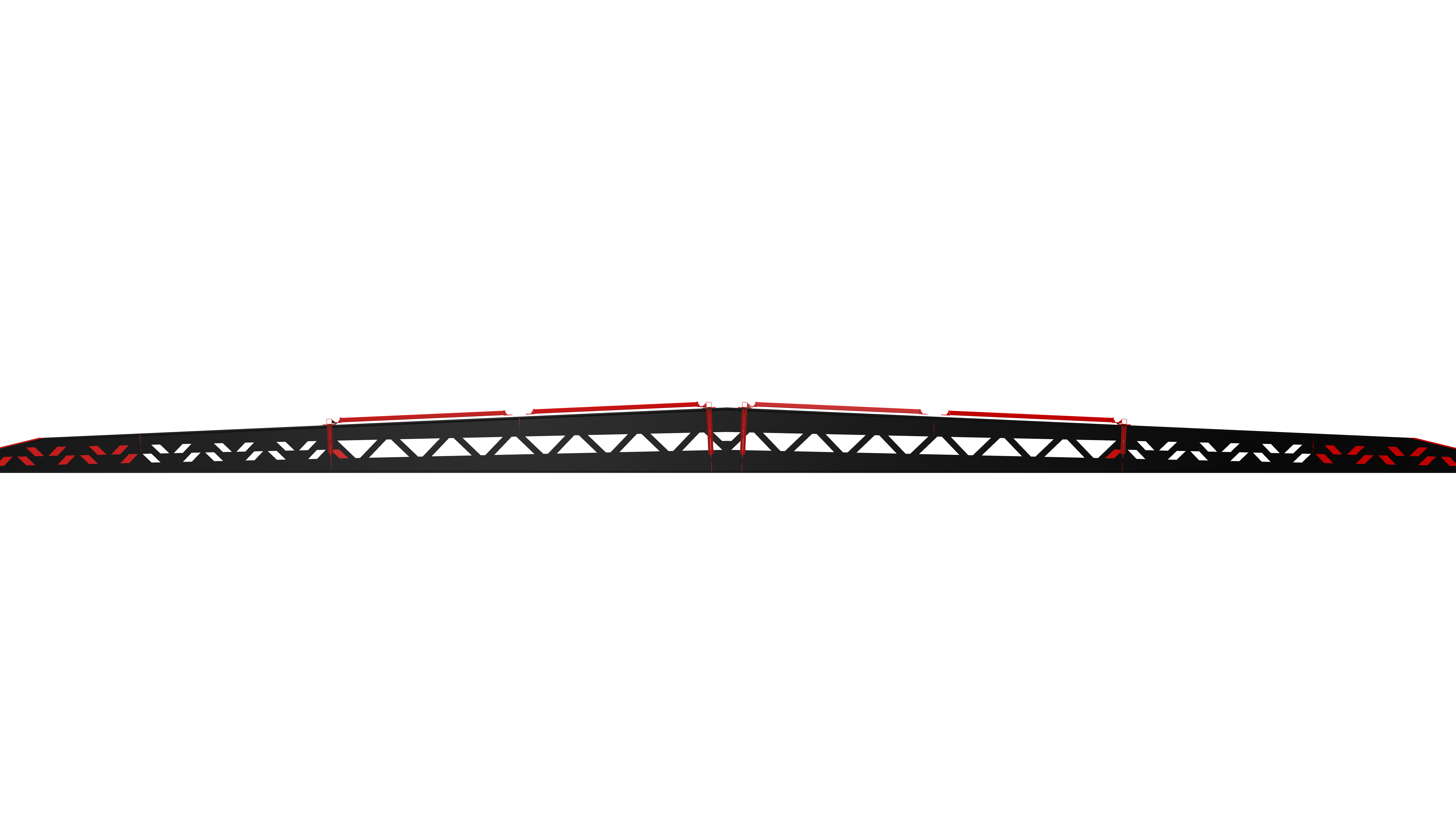
Duraxim creates a variable-height girder - taller in the middle where bending stresses are highest and tapering toward the ends. This gives the beam a distinctive triangular-like outer profile.

Inside, the web features a precise pattern of triangular openings, forming an efficient triangular structure that follows the real load path.

This geometry places material exactly where it's needed most, resulting in a beam that is significantly more efficient than traditional constant-section I-beams.

Loading model...
06
Lighter. Stronger. Smarter.

The Duraxim beam works harder with less steel.

  • Significantly higher stiffness under moving loads
  • Better load-bearing capacity at the same weight
  • Or - most commonly - the same performance at much lower weight
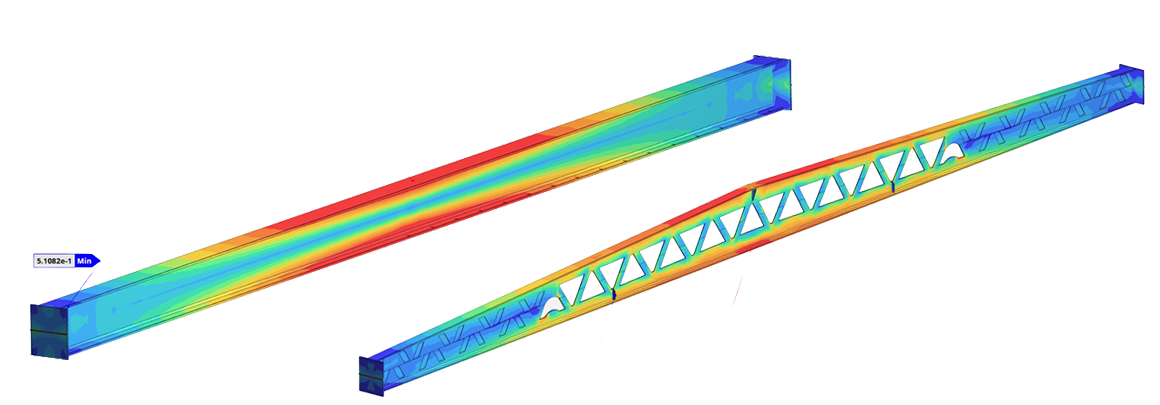
Stress comparison between conventional and Duraxim beams
07
System benefit

A lighter beam makes the entire crane system
lighter.

Because the beam is lighter, the runway beams, support structures, and foundations can all be lighter too. The result is a warehouse or industrial crane system that uses substantially less steel - while performing better.

That means lower costs, easier installation, reduced energy consumption, and a meaningfully smaller carbon footprint.

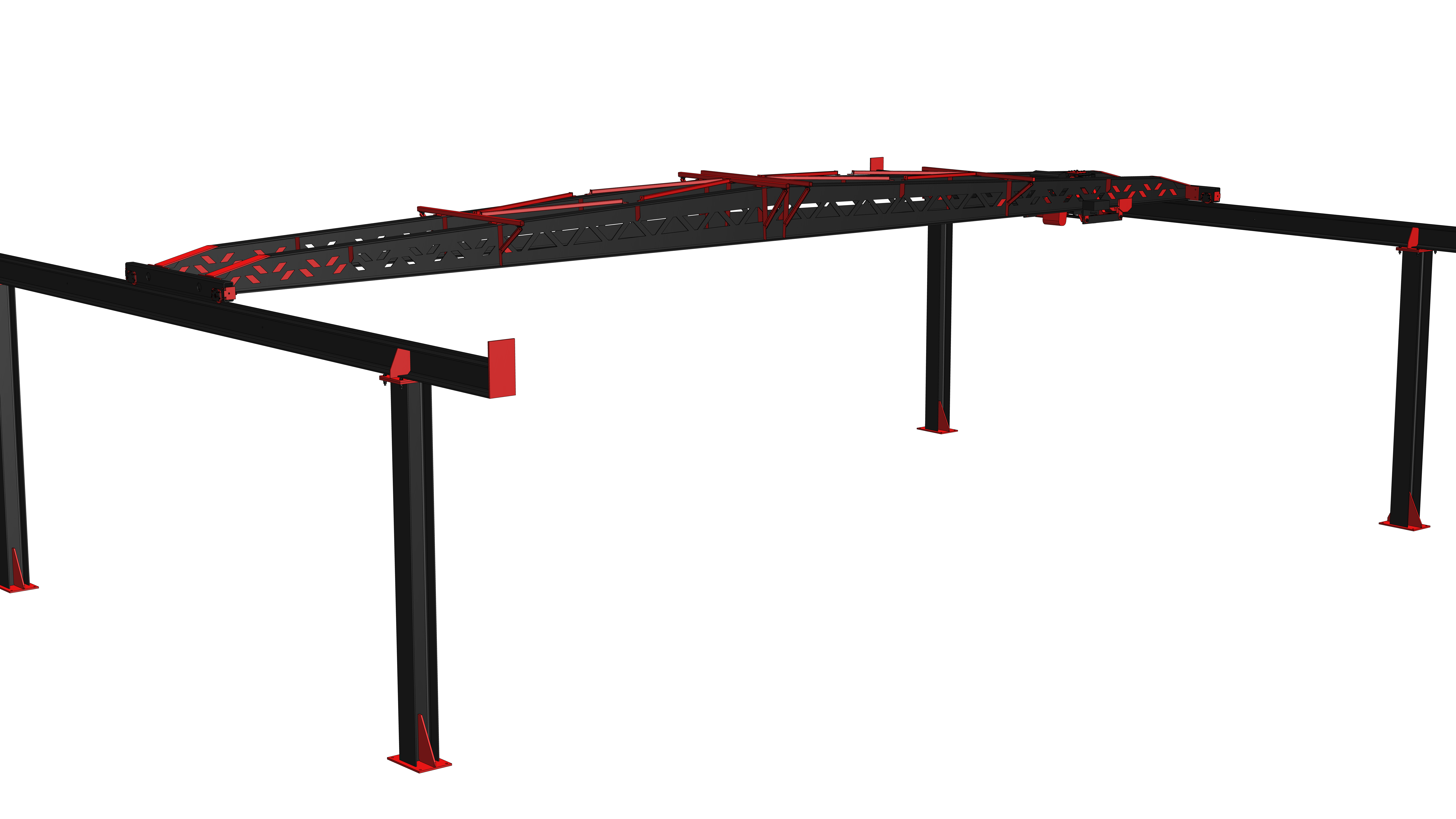
Lighter crane system with track and support structure
08
One more advantage

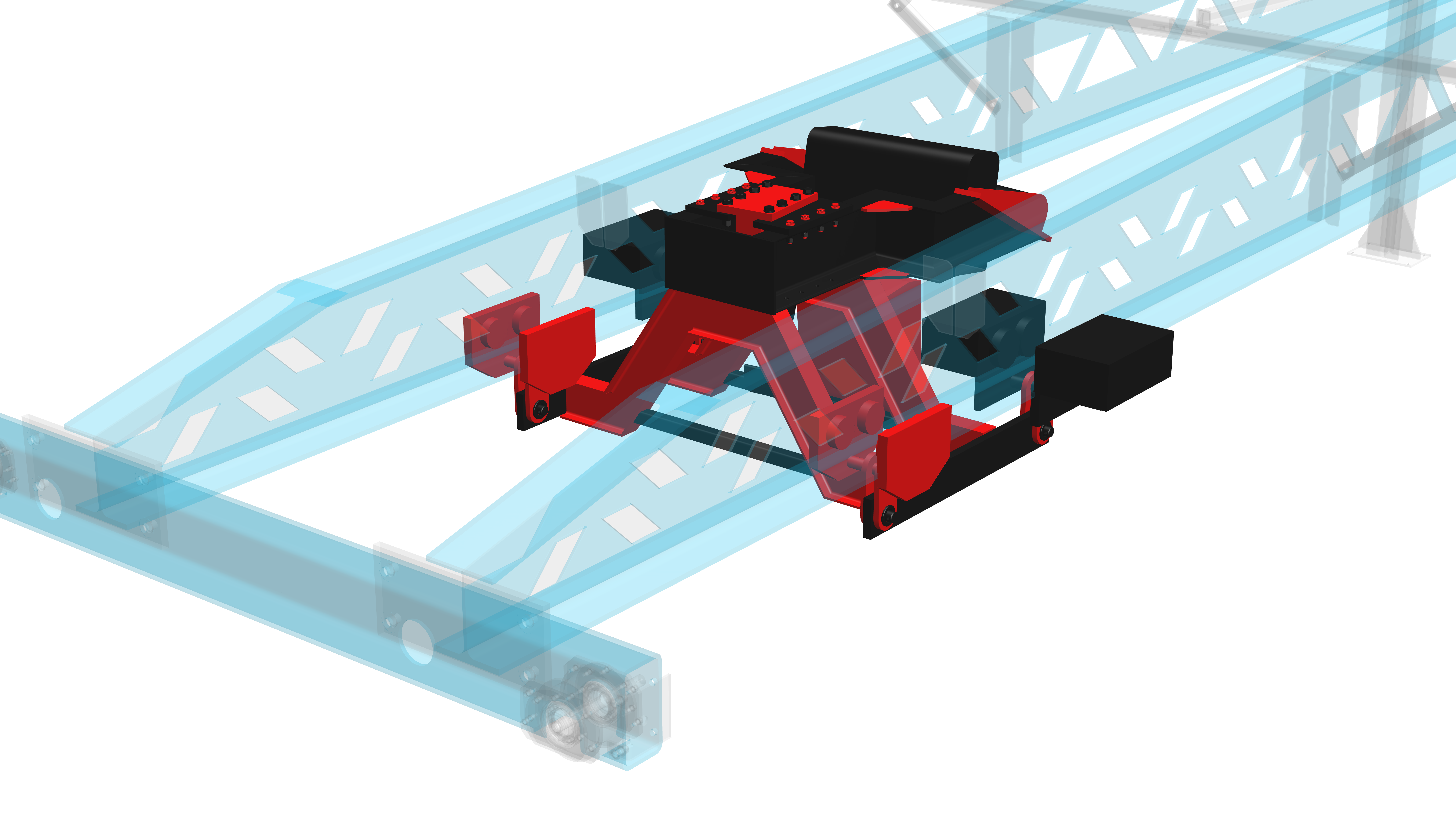
The Duraxim crab hoist lifts between the two beams.

We developed a brand-new crab hoist specifically engineered for the Duraxim double-girder system. By lifting between the two beams instead of on top, it unlocks a higher lifting range than traditional designs.

Better beams. Better hoist. Better crane.

Duraxim crab hoist lifting between two beams