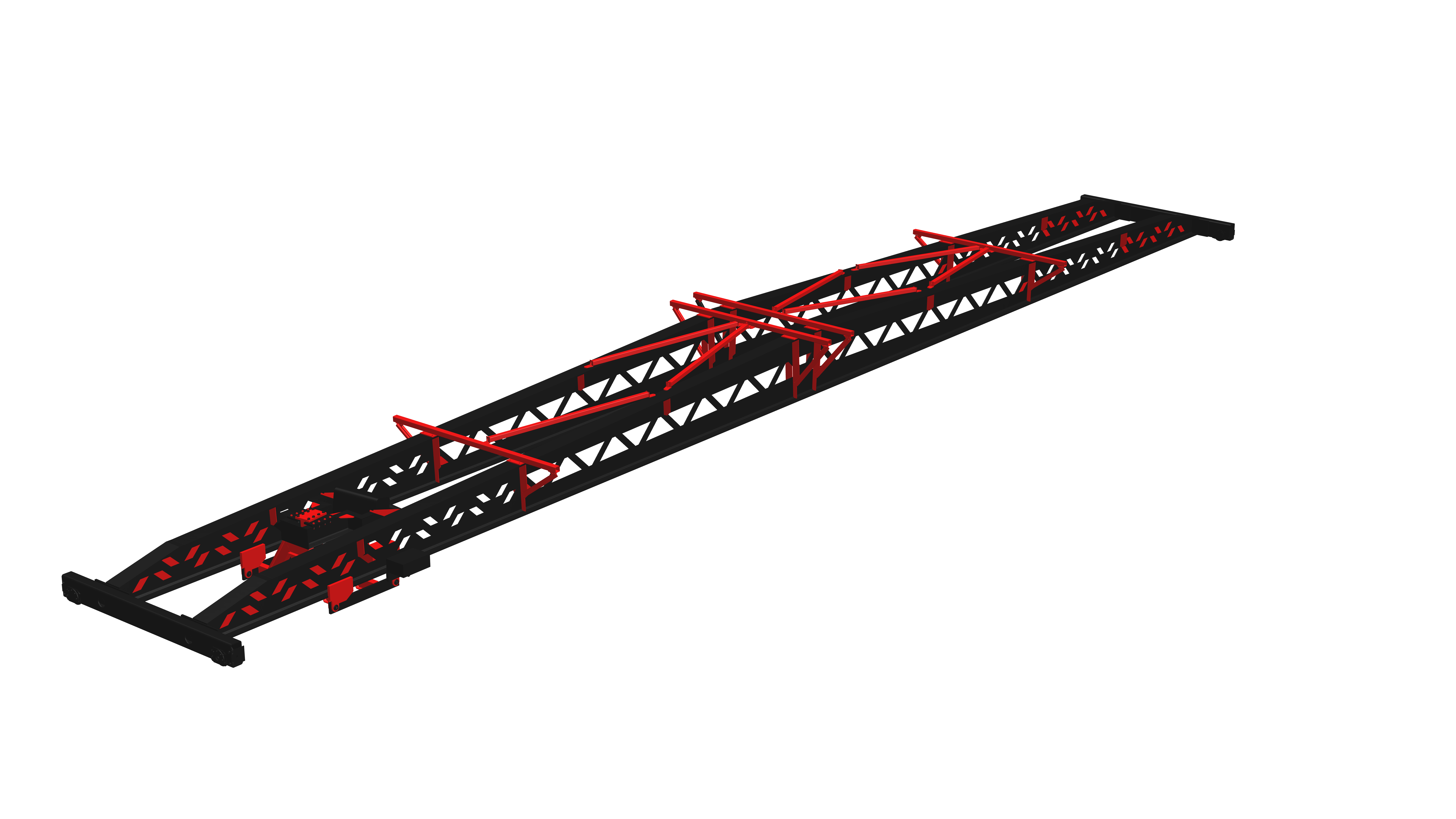
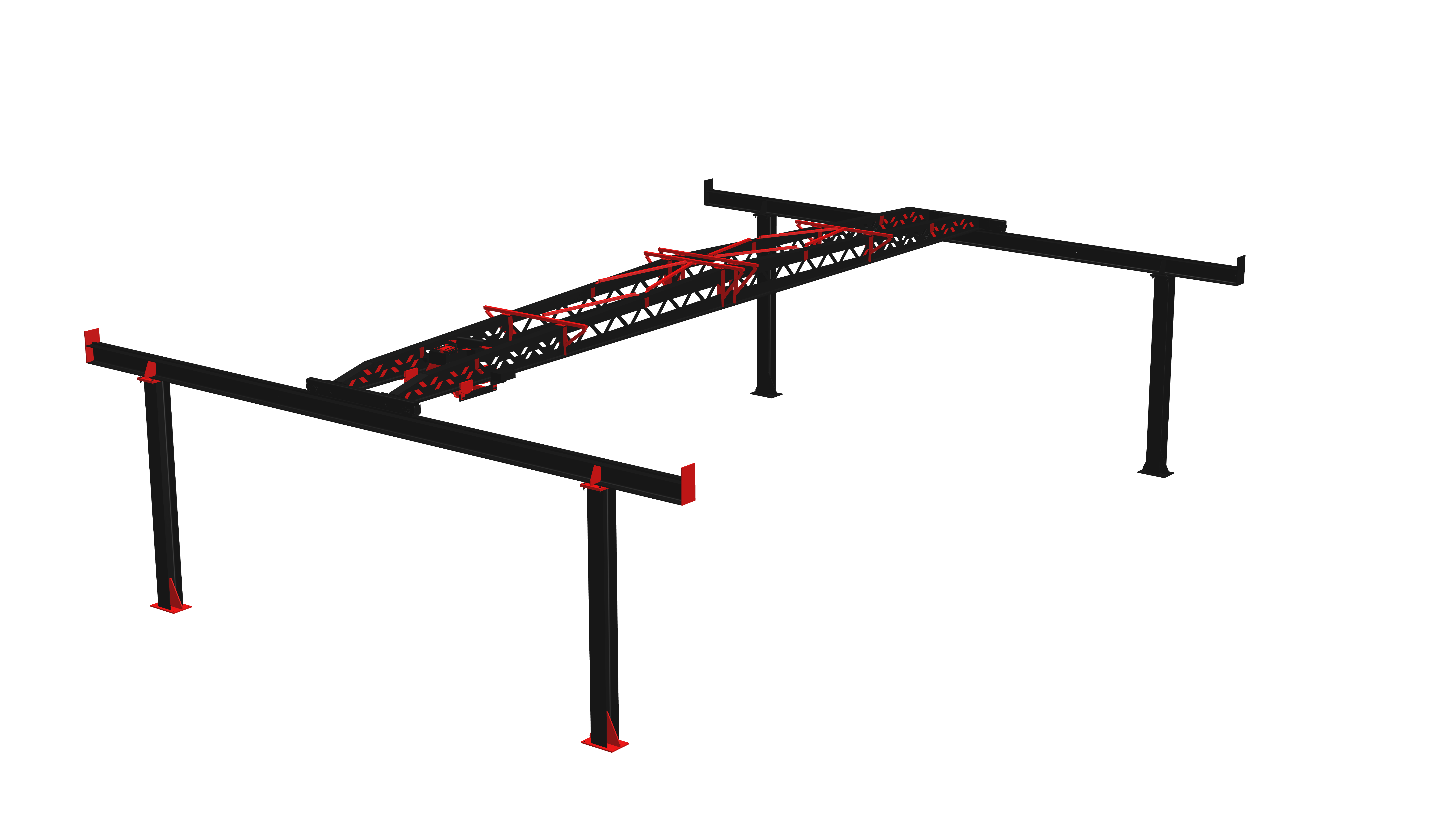
The real value appears when a lighter girder lets the crane track structure, support columns, and foundations step down with it. On crane tracks spanning 20 to 200 meters, that means a major project-level cost advantage.
15 msame span for both benchmark girders
5 tonssame applied load in the comparison
1 278 kgless self-weight in a single Duraxim girder
Mindset
To be or to BEAT.
Competing with traditional methods has limits. Change the game entirely.
HEA600 vs Duraxim
Same span. Same load.Half the weight.
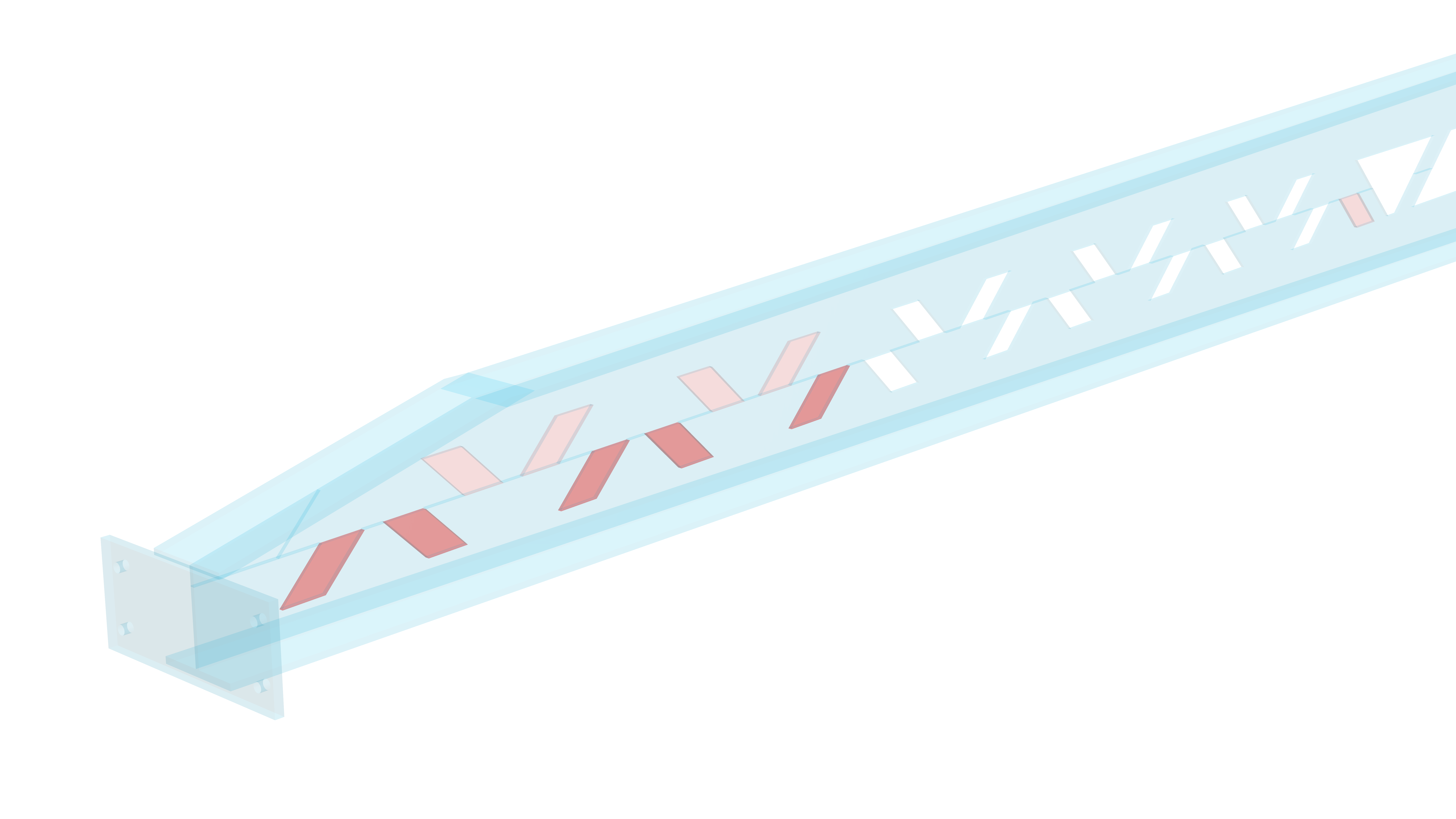
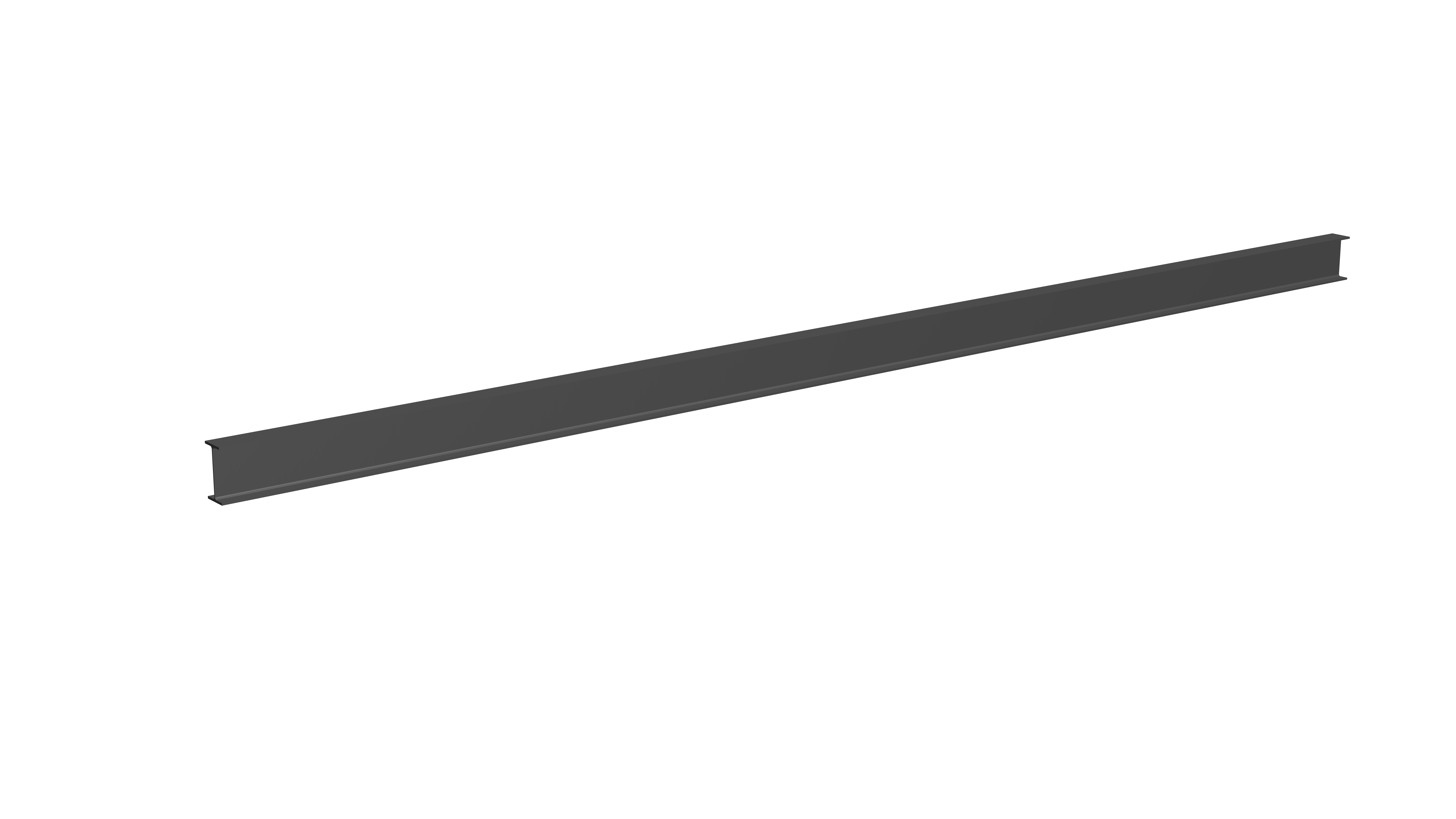
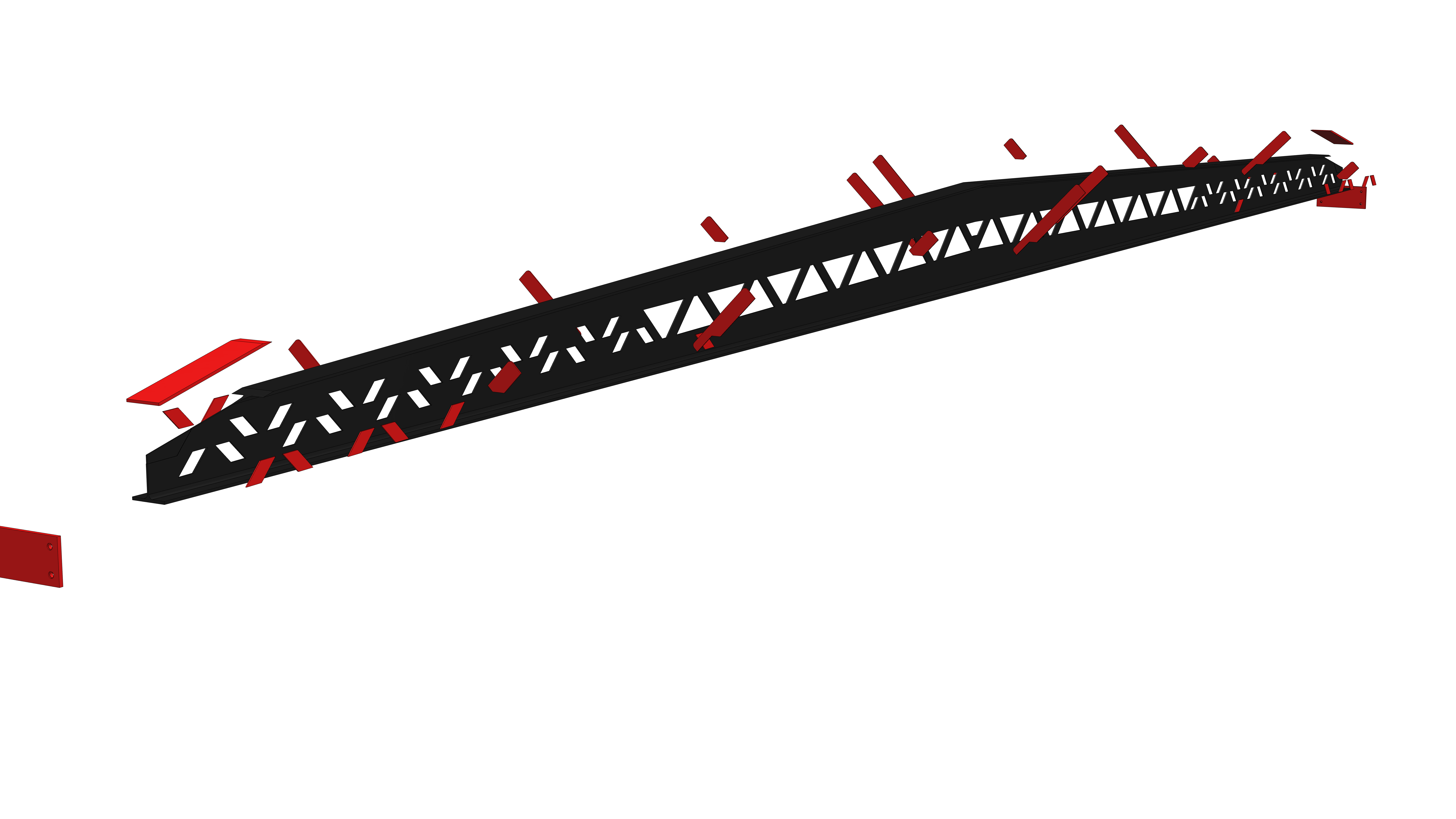
Duraxim technology lets engineers choose a different girder class for the same application. What a standard HEA600 can do, Duraxim can achieve from an IPE500 starting profile, while using just 54% of the girder mass.
Reference
HEA600
A conventional constant cross section HEA600 profile delivers the required 5-ton benchmark performance, but carries 2 760 kg across the 15 m span.
Deflection
16.12 mm
Total girder mass
2 760 kg
Used profile
HEA600
Duraxim
Duraxim
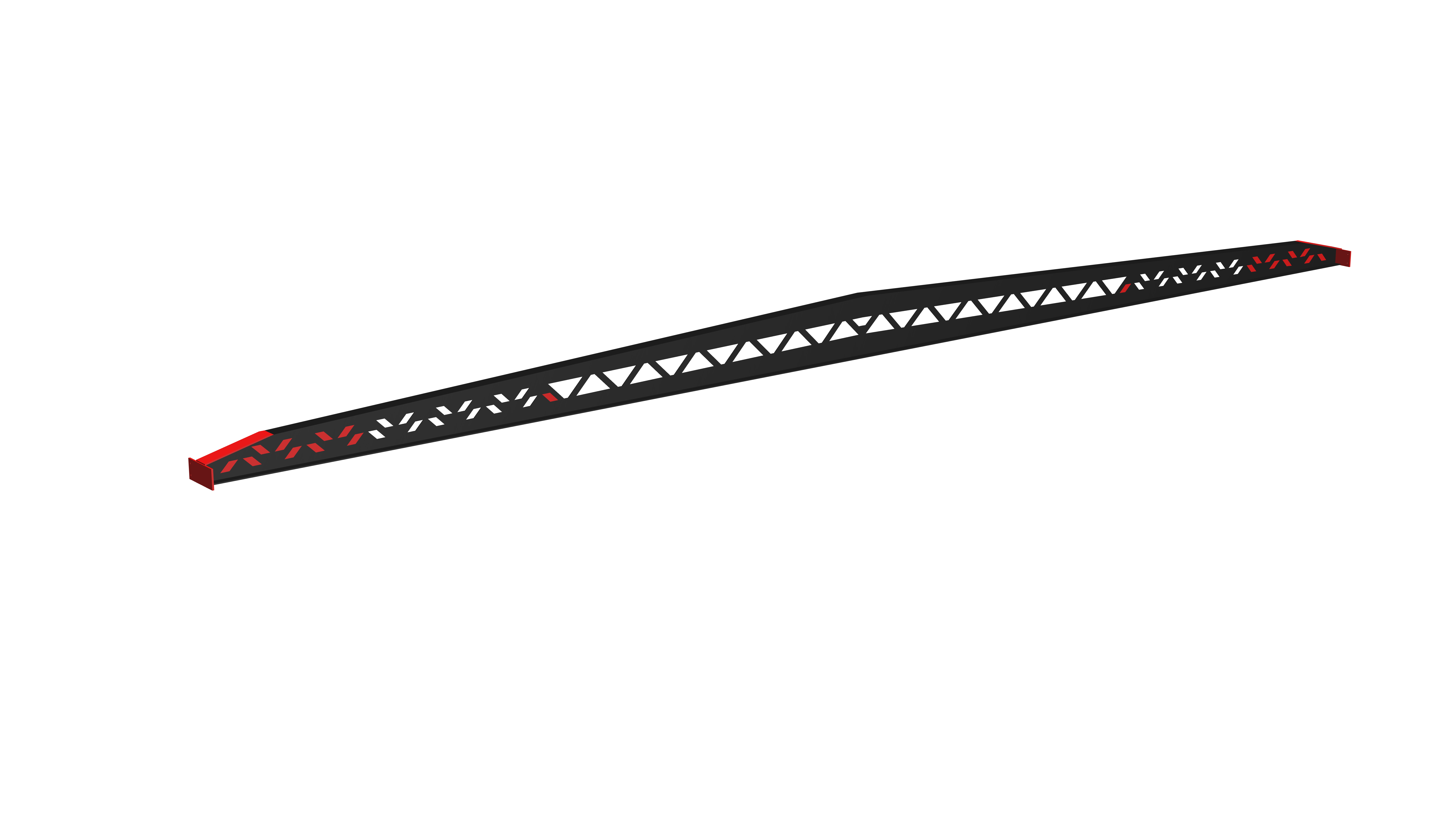
Duraxim starts with a standard IPE500 and transforms it into a high-performance variable-section girder.
Deflection
14.84 mm
Total girder mass
1 482 kg
Used profile
IPE500
Parameter
HEA600 reference
Duraxim
Span
15 000 mm
15 000 mm
Load
5 tons
5 tons
Deflection
16.12 mm
14.84 mm
Total girder mass
2 760 kg
1 482 kg
Used profile
HEA600
IPE500
Starting length
15 000 mm
15 845 mm
Cutting loss
0 kg
67 kg / 5%
Added material mass
0 kg
33 kg / 2%
Material efficiency
It's up to the task.
The Duraxim girder weighs 1 482 kg, while the HEA600 reference weighs 2 760 kg. That is 1 278 kg less steel in a single 15 m girder, even after a small 5% cutting loss and 2% added material.
15 845 mmIPE500 starting length
67 kgcutting loss
33 kgadded material
1 482 kgfinished Duraxim girder
Economics
All systems nominal.
A lighter crane girder reduces the load that the crane track has to carry. That can make lighter track profiles sufficient, reduce column demand, and lower the number and size of concrete foundations. These are the expensive components that multiply across a 20-200 m crane track.
Tracks
Lower moving and dead loads can allow the crane track itself to step down to lighter steel profiles.
Pillars
Less structural demand can reduce support requirements, including column count and concrete foundation volume.
Energy
Moving a lighter crane system along the crane track requires less energy over the lifespan.
Project Duraxim
Reporting for Heavy Duty.
Duraxim turns a single beam improvement into a system-level opportunity: lower self-weight, lighter supporting structure, less foundation work, and reduced energy demand across the crane track lifecycle. Waste less steel, Go green.